Articles

Insights on Functional Safety, Engineering, and Technology

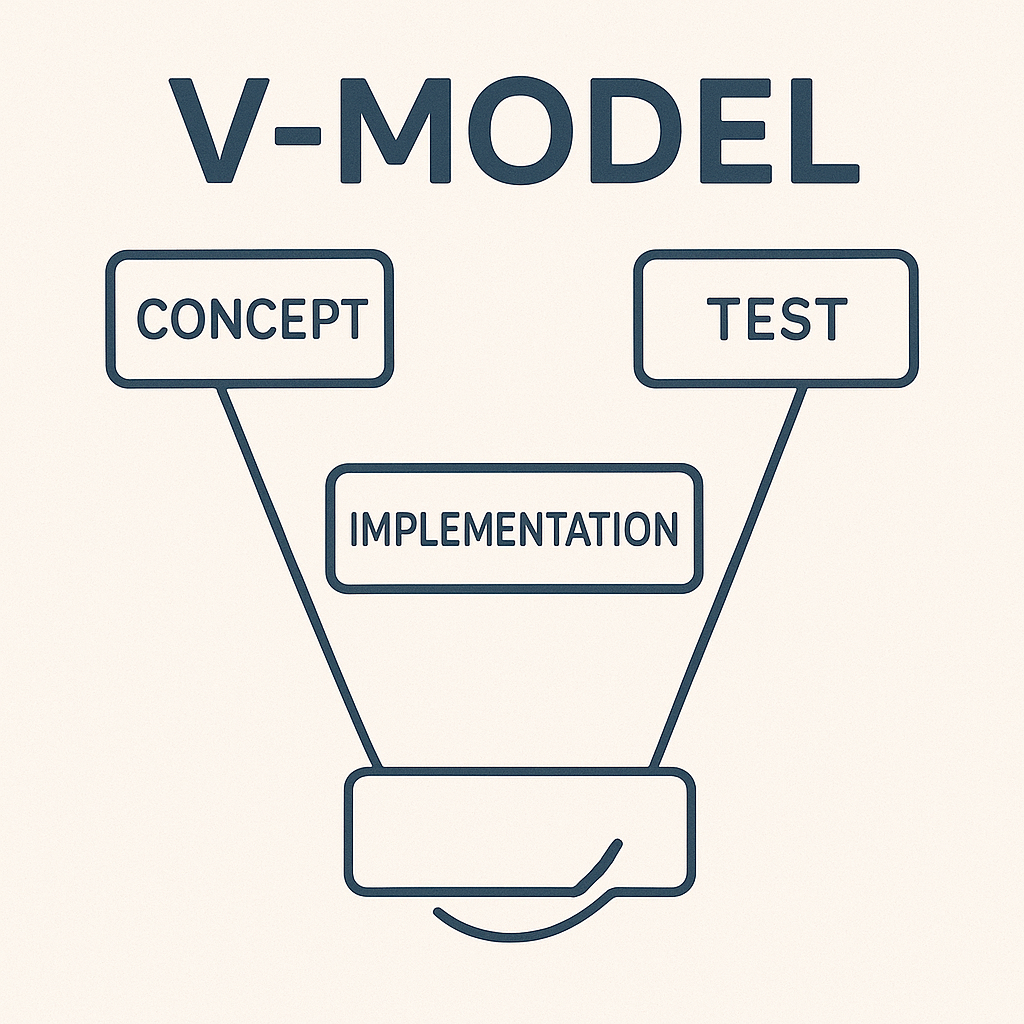
HARA according to ISO 26262
01 December 2025

HARA - Hazard analysis and risk assessment

Risk analysis for safety-related systems is the foundation on which the entire design and verification process for automotive electronics is built. In the automotive industry this foundation is HARA – Hazard Analysis and Risk Assessment. It is the first major task in the ISO 26262-compliant process and at the same time the step that determines everything that follows: the ASIL level, the scope of tests, the system architecture, and even the way the product’s behavior is thought about.
Comparision of FTA and FMEA
24 November 2025

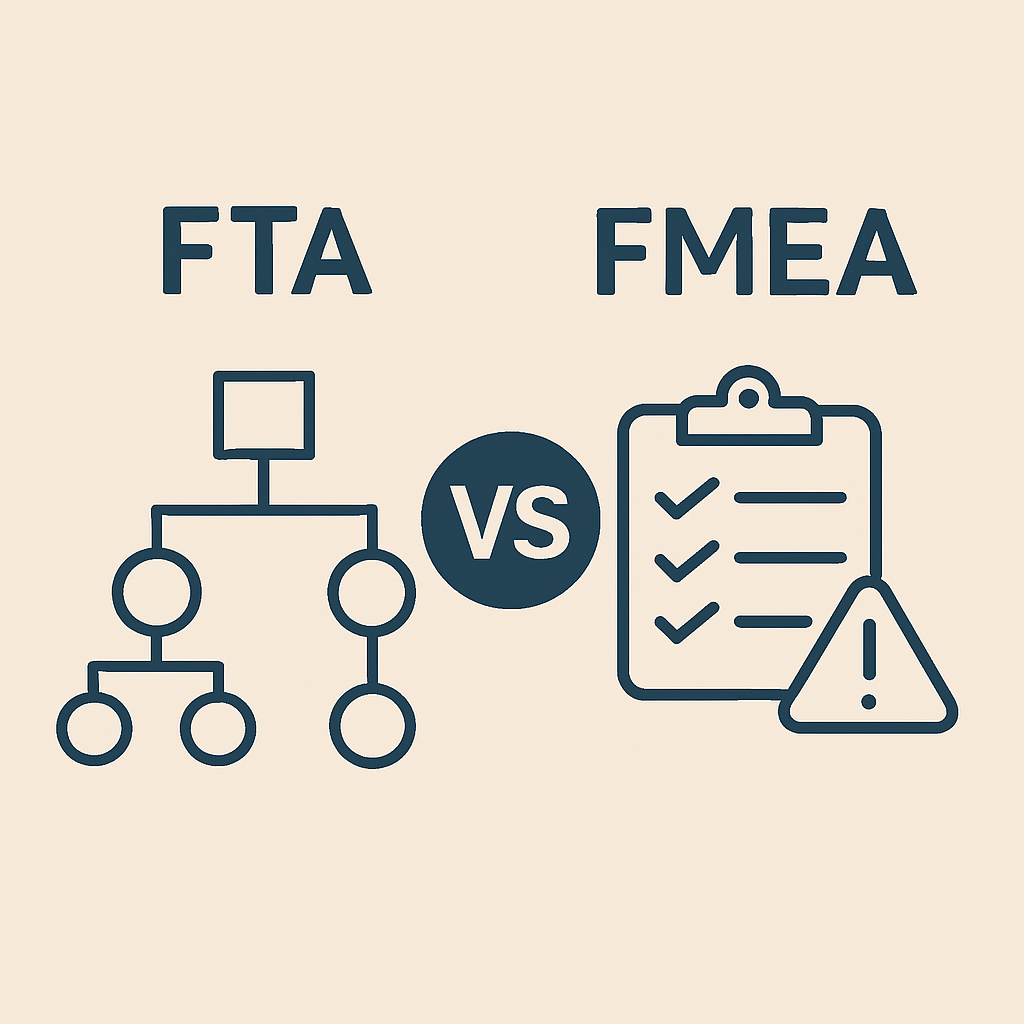
FTA and FMEDA comparision

Engineering likes simple answers, but functional safety rarely offers them. When you start assessing risk, it quickly becomes clear that one analysis method is not enough. In practice, two tools are used most often: FMEA and FTA. One looks at the world deductively, from failure to cause, and the other inductively, from cause to failure. Both try to answer the question: why can something go wrong and what can we do about it?

Introduction to FTA analysis
18 November 2025

FTA Analysis Introduction

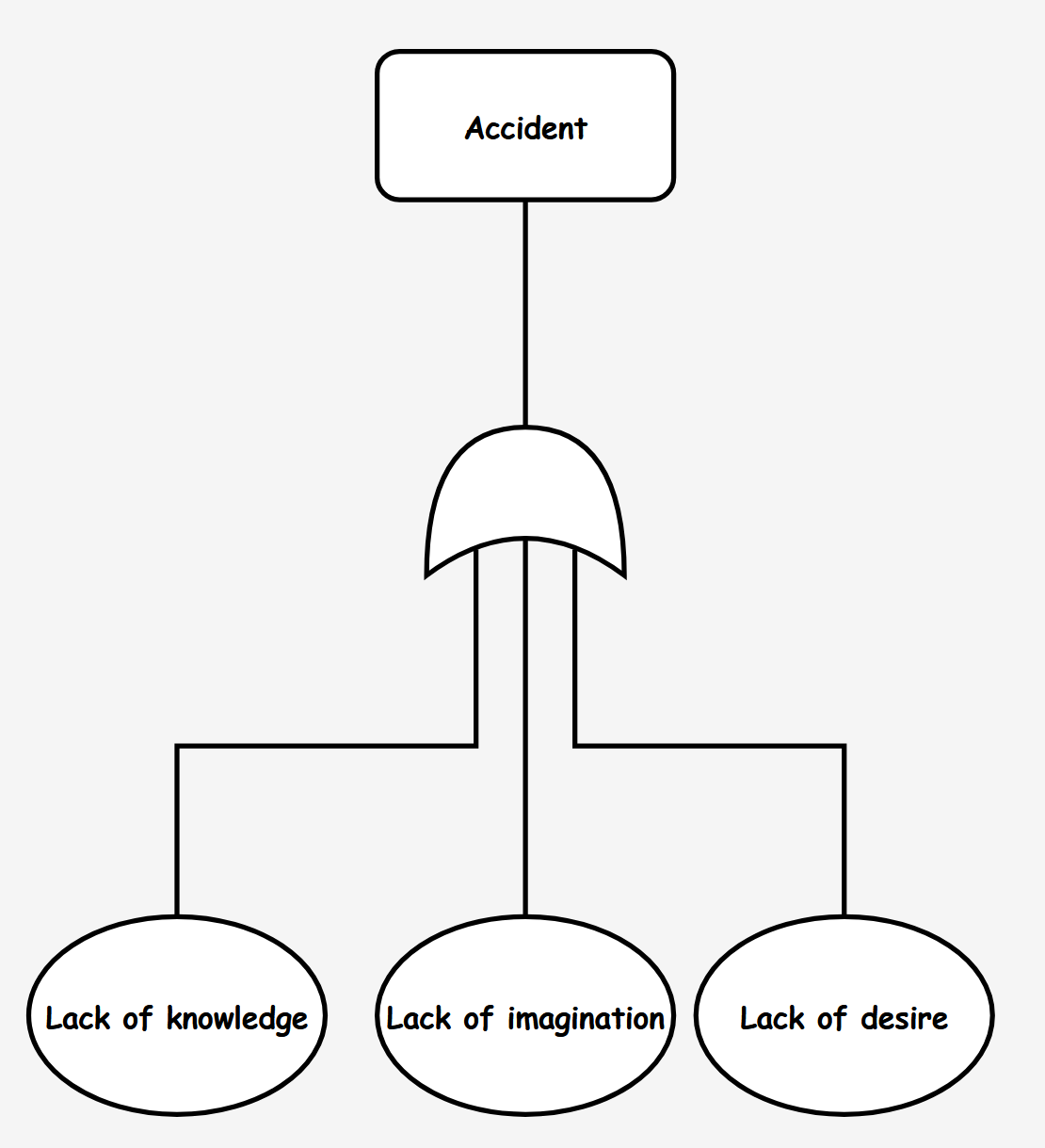
FTA, or Fault Tree Analysis, is a deductive method for examining the causes of failures. The starting point is always a specific event – the failure we want to prevent. From that point, we go deeper, breaking the problem into smaller elements and checking what exactly must happen for the failure to occur.

Risk classification levels
November 10, 2025

Risk classification levels

When we talk about safety in technical systems, most people think of sensors, light curtains, or safety valves. But functional safety isn’t about making sure a system never fails — that’s impossible. It’s about ensuring that when a failure does happen, its consequences don’t lead to an accident. That’s exactly what concepts like SIL, ASIL, and Performance Level (PL) are for. Failures are allowed to happen — but are their consequences under control?

Systematic and Random Failures in Functional Safety
November 5, 2025

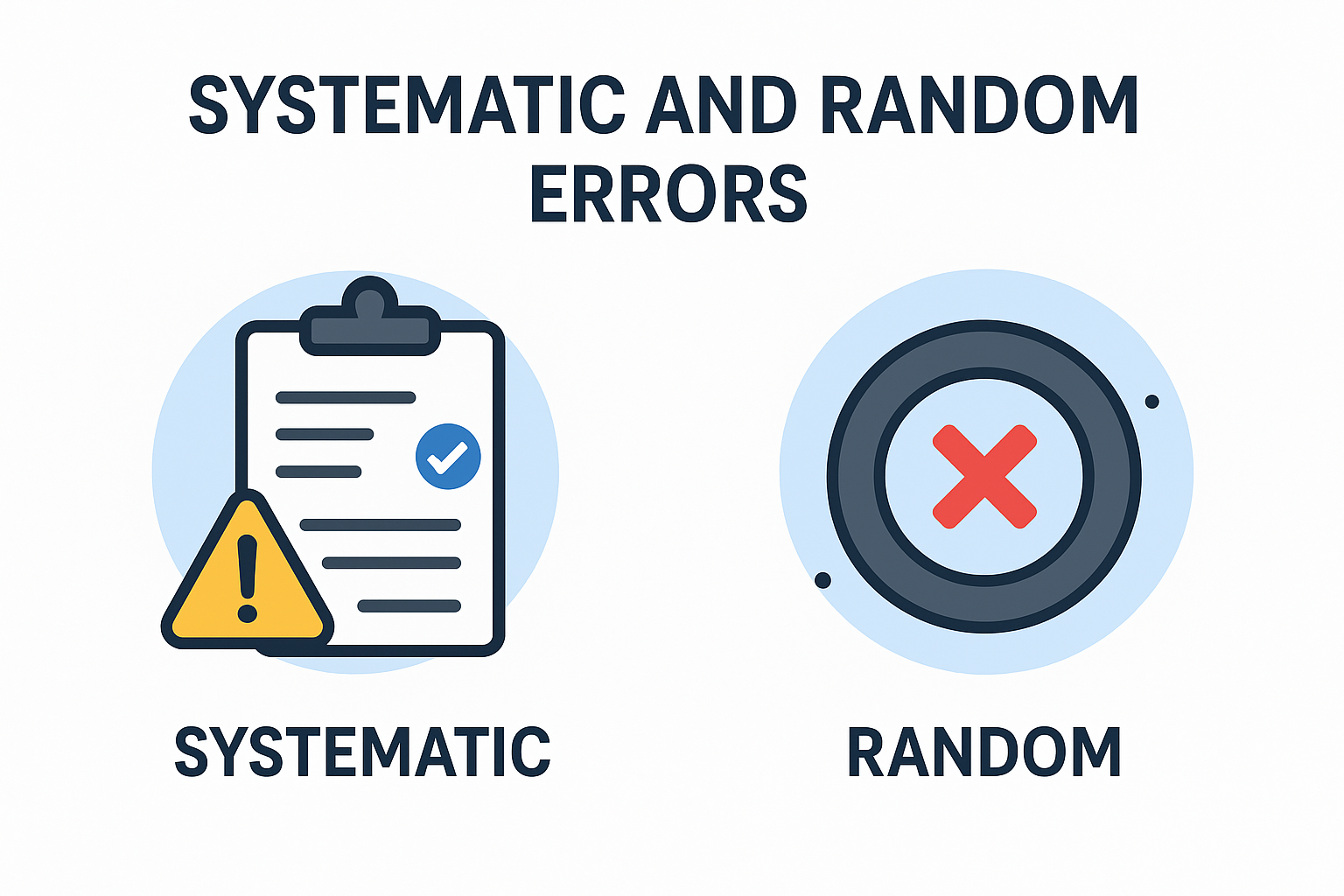
Systematic and Random Failures in Functional Safety

In the world of functional safety, failures are more than just unpleasant surprises — they’re an inevitable part of reality that engineers must learn to live with. Every system, even the best-designed one, can fail. The question is: why? Sometimes it’s chance, sometimes human error, and sometimes an entire process that allowed imperfection to slip through. Understanding the difference between random and systematic failures is the foundation of safety thinking. It’s not about academic definitions, but about turning that understanding into practice that protects health, life, and the reputation of engineers.